

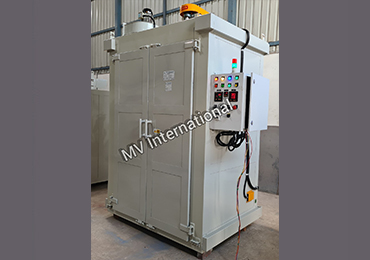
How Industrial Ovens Work: Heating Methods and Applications
Behind curing, drying and heat treatment sits one machine doing the heavy lifting. A plain-language look at how an industrial oven actually works.
Read More »
Behind curing, drying and heat treatment sits one machine doing the heavy lifting. A plain-language look at how an industrial oven actually works.
Read More »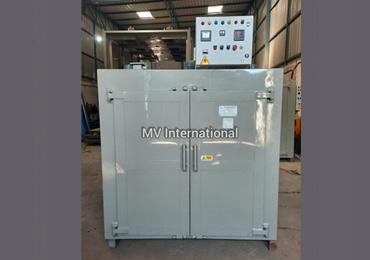
The batch oven handles work in discrete loads, and its airflow design is what keeps every load consistent. Here is how it works and where it fits.
Read More »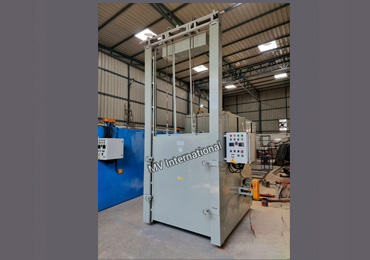
Drying is a process, not just heat. Here is how an industrial drying oven removes moisture, and where it fits in a production line.
Read More »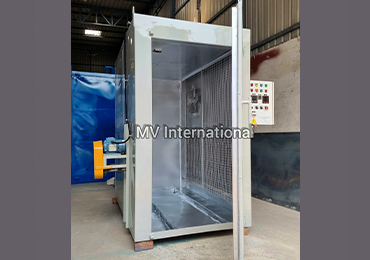
Heating ovens do more than get hot, they pre-heat, warm and hold temperature across dozens of processes. Here is where they fit.
Read More »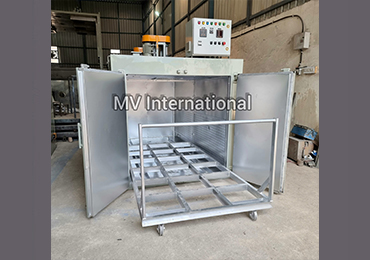
Resins, oils and greases thicken in storage. A drum heating oven brings them back gently. Here is how it works and who relies on it.
Read More »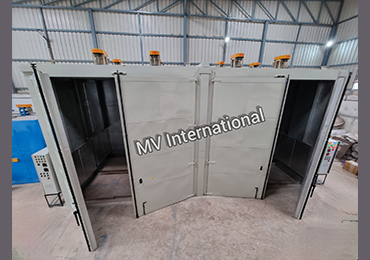
Polyurethane needs even, controlled heat to cure to full strength. Here is how a PU curing oven manages the process and where it is used.
Read More »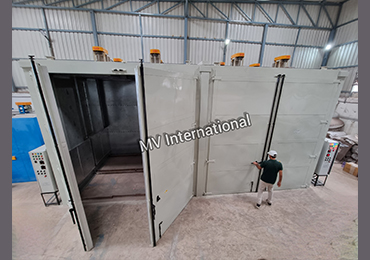
Composites cure to strength on a precise heat cycle. Here is how a composite curing oven runs that cycle and where it is used.
Read More »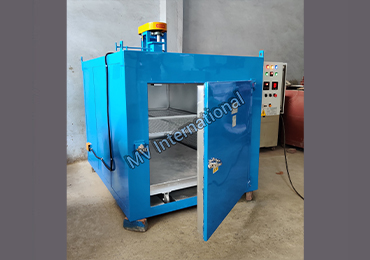
Damp windings fail early. An electric motor drying oven removes that moisture safely. Here is how the process works.
Read More »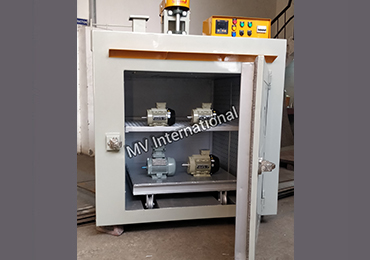
Fresh windings need their varnish baked to lock the coils. Here is how a motor winding baking oven does it and why it matters.
Read More »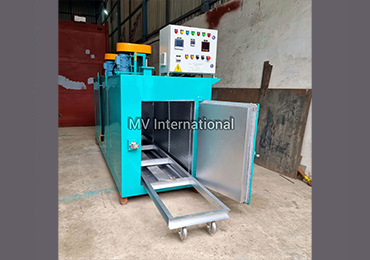
Stator windings hold moisture that shortens motor life. Here is how a stator drying oven removes it safely.
Read More »
Stored fluids thicken and stop pouring. A drum warming oven brings them back gently. Here is how it works.
Read More »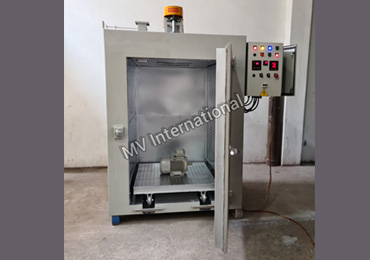
Insulating varnish only performs once it is baked. Here is how a varnish baking oven cures it and where it is used.
Read More »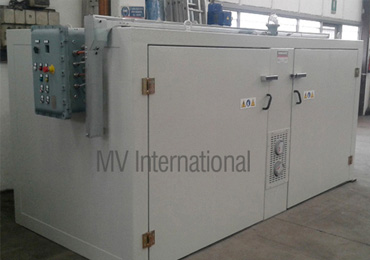
Warming flammable drum contents needs a flameproof design. Here is how these ovens heat safely and where they are required.
Read More »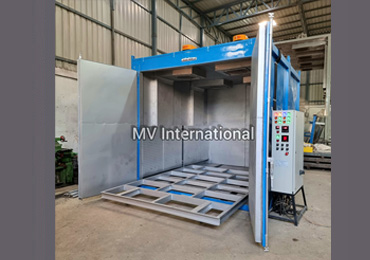
Armature windings trap moisture that shortens life. Here is how an armature drying oven removes it safely.
Read More »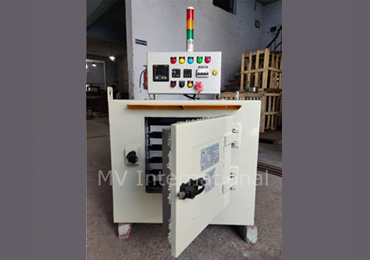
Saturated silica gel can be dried and reused. Here is how a silica gel drying oven regenerates desiccant.
Read More »
Barrels of thickened fluid need even heat to pour again. Here is how a barrel heating oven does it.
Read More »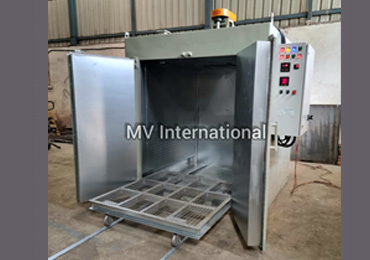
HT and LT motors need controlled heat for drying and baking. Here is what an electric oven for these motors does.
Read More »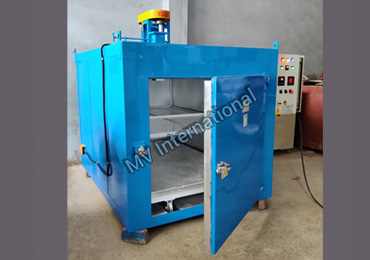
Motors need controlled heat for pre-heating, drying and assembly. Here is how a motor heating oven handles it.
Read More »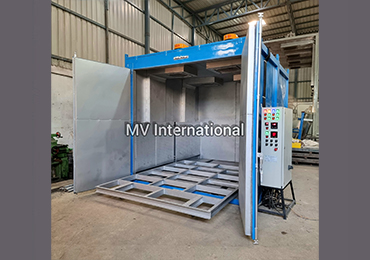
Transformers must be dried and their varnish cured for reliable insulation. Here is how a transformer heating oven does it.
Read More »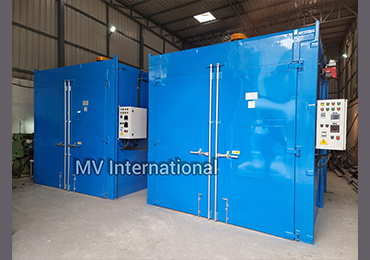
Burn off ovens strip paint, powder and residue with heat alone. Here is how thermal cleaning works and where it is used.
Read More »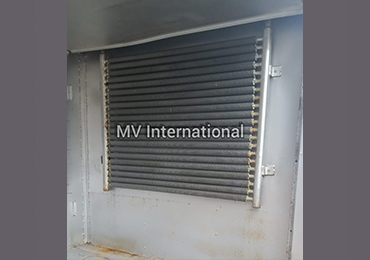
Where plant steam is available, it can warm drums efficiently. Here is how a steam heated drum oven works.
Read More »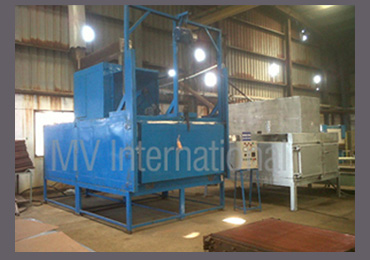
Radiator cores are baked to bond and seal them. Here is how a radiator core baking oven runs that process.
Read More »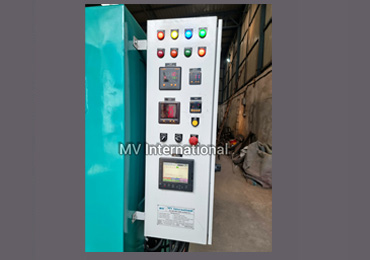
Some materials need a second heat cycle to reach full strength. Here is what a post curing oven does and why.
Read More »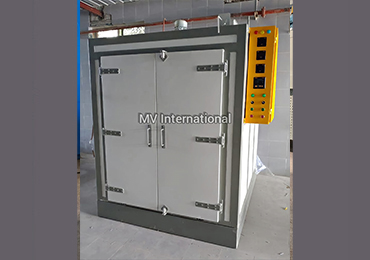
Electric heating is clean, precise and easy to control. Here is how an electric industrial oven works and where it shines.
Read More »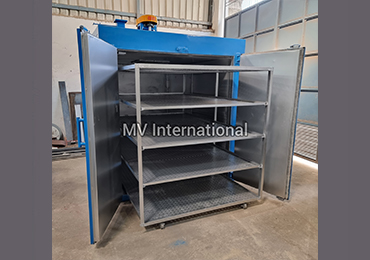
Brake pads are cured to bond friction material and set its properties. Here is how a brake pad curing oven does it.
Read More »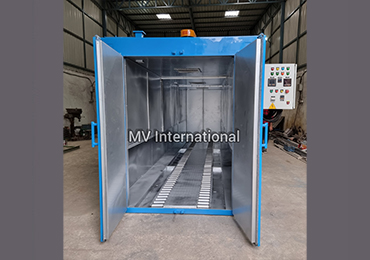
Moulded and machined plastics hold internal stress that causes cracks. Here is how a plastic annealing oven relieves it.
Read More »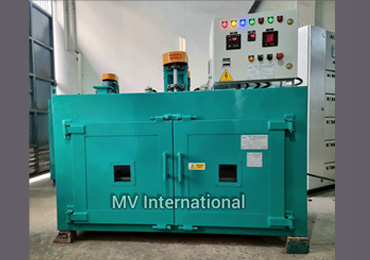
Spiral-wound paper cores need drying to set adhesive and remove moisture. Here is how a paper core drying oven does it.
Read More »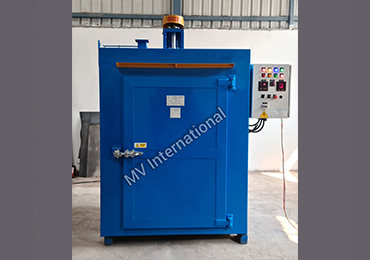
Cast polyurethane wheels need heated moulds and a proper cure. Here is how a PU wheel heating oven supports the process.
Read More »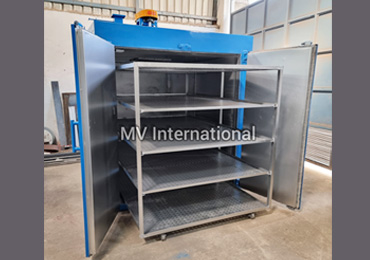
Brake shoes are cured to bond the lining and set its friction. Here is how a brake shoe curing oven does it.
Read More »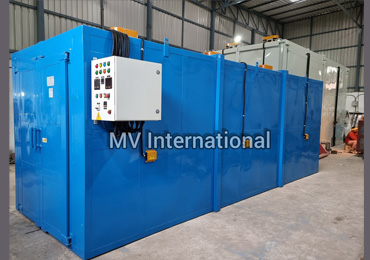
Sand cores must be dried and hardened before casting. Here is how a foundry core drying oven does it.
Read More »
Rubber is vulcanised with heat to reach its final strength and elasticity. Here is how a rubber curing oven does it.
Read More »