


Radiator Core Baking Ovens: The Process Explained
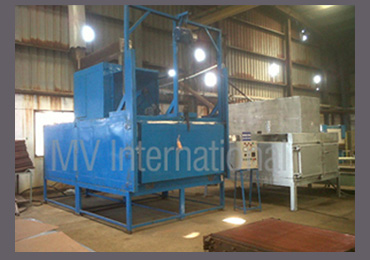
Radiator Core Baking Ovens: The Process Explained
Radiator and heat-exchanger cores are baked to cure bonding materials and set the assembly, and a radiator core baking oven provides the even, controlled heat that job needs. Uniform heat across the core is what produces sound, leak-free bonds.
What the Bake Does
Cores rely on brazing flux, adhesives or coatings that only set correctly under the right heat cycle. Baking cures those materials so tubes, fins and headers bond into a sealed, durable assembly. The result is a core that performs and holds pressure as designed.
Uniformity Across the Core
A radiator core has many thin passages and a large surface area, so even heat is essential, any cold region cures poorly and can leak. Forced-air circulation and careful loading bring the whole core to temperature together for a consistent bond.
- Even forced-air heat across the full core
- Controlled cycle for the bonding material
- Loading that lets air reach every passage
- Capacity matched to core size and volume
Where It Is Used
These ovens serve automotive, HVAC and industrial heat-exchanger manufacturing. The controlled-bake discipline is shared with other curing work such as post curing and general batch oven cycles, all built on even, programmable heat.
Why It Matters
A poorly baked core can leak or fail under pressure, defects that are expensive to catch late. Even, controlled baking prevents them at the source, which is why a dedicated oven is used rather than a general chamber for this quality-critical step.
In Short
A radiator core baking oven cures bonding materials with even, controlled heat so cores seal and perform reliably. Uniformity is the key to leak-free results, delivered with the same fundamentals as any industrial oven.