


Stator Drying Ovens: How They Work and Where They Fit
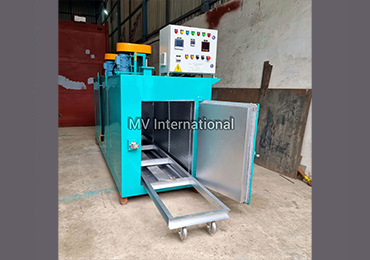
Stator Drying Ovens: How They Work and Where They Fit
The stator carries a motor's main windings, and moisture trapped in those windings undermines insulation and reliability. A stator drying oven removes that moisture with even, controlled heat so the stator goes back into service with healthy insulation resistance.
Why Stators Need Drying
Stators pick up moisture in storage, during rewinding, or after cleaning. Because the windings sit deep in the core, that moisture is slow to leave on its own. A drying oven drives it out reliably before testing, varnishing or reassembly.
Even Heat, Safe for Insulation
Forced-air circulation warms the whole stator, core and windings alike, while the controller holds the temperature in the safe band for the insulation class. Even heat matters because a partly dried stator can still fail an insulation test where a moist pocket remains.
- Even airflow through core and windings
- Temperature safe for the insulation class
- Extraction to carry released moisture away
- Sizing for single stators or batches
Where It Fits in Motor Work
Stator drying is one step in a chain. It commonly precedes varnish work in a motor winding baking oven, and shares its purpose with the broader electric motor drying oven used for complete motors.
The Result
A properly dried stator passes insulation testing, takes varnish better, and resists early failure. For rewind shops, that reliability is the difference between a job that lasts and a warranty return, which makes drying a standard quality gate.
In Short
A stator drying oven removes deep winding moisture with even, insulation-safe heat, restoring resistance and readiness for the next step. It protects the rewind. The same principle scales up across the heating oven range.