


Motor Heating Ovens: How They Work and Where They Fit
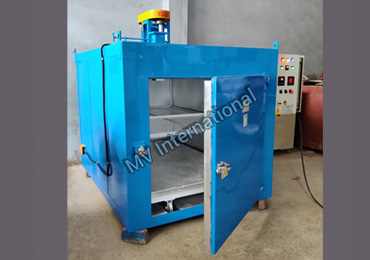
Motor Heating Ovens: How They Work and Where They Fit
From drying windings to pre-heating parts for a shrink fit, motor work needs controlled heat at several stages, and a motor heating oven provides it. Its even, accurate heat supports both the electrical and the mechanical sides of building and repairing motors.
Two Kinds of Heating
Motor heating covers electrical tasks, drying windings and warming for varnish, and mechanical ones, pre-heating housings or bearings so components expand for assembly. A flexible oven with even heat and good control handles both without stressing the parts.
Even Heat, Right Temperature
Forced-air circulation warms the assembly uniformly, while accurate control keeps the temperature safe for insulation on electrical jobs and correct for expansion on mechanical ones. The same chamber serves different needs simply by changing the set point and cycle.
- Even forced-air heat through the assembly
- Insulation-safe temperatures for electrical work
- Repeatable pre-heat for shrink-fit assembly
- Sizing for the range of motors handled
Where It Fits
The motor heating oven complements dedicated steps like the electric motor drying oven and stator drying oven, acting as a flexible workhorse for the many heating tasks a motor shop encounters.
Why It Helps
Improvised heating is uneven and risks damaging insulation or over-expanding parts. A dedicated motor heating oven gives predictable, even results across both electrical and mechanical tasks, which keeps quality consistent and rework low.
In Short
A motor heating oven supplies even, controlled heat for the electrical and mechanical stages of motor work, from drying windings to pre-heating for assembly. It is a flexible tool built on core heating oven principles.