


Varnish Baking Ovens: The Process and Applications
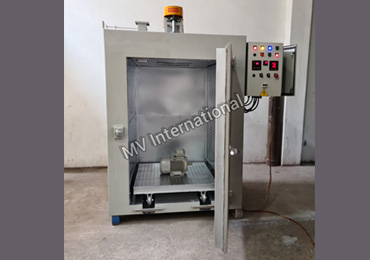
Varnish Baking Ovens: The Process and Applications
Insulating varnish protects and bonds electrical windings, but only after it is properly baked. A varnish baking oven cures that varnish with even, controlled heat, turning a wet coat into a hard, protective film that seals and strengthens the assembly.
From Wet Coat to Cured Film
After dipping or trickle impregnation, the varnish is still soft and solvent-laden. Baking drives off the solvent and cures the resin so it hardens into a bonded film. That film locks conductors in place, seals against moisture and improves heat dissipation.
Even Heat and Solvent Extraction
Two things matter: even heat so the whole coat cures together, and extraction to carry away solvent vapour safely. Forced-air circulation handles the first, while a designed exhaust manages the second, keeping the cure clean and consistent.
- Controlled ramp and soak for the varnish system
- Even forced-air heat across the assembly
- Exhaust for solvent vapour released during bake
- Sizing for coils, stators or batches
Typical Applications
Varnish baking is central to motor and transformer manufacturing. It pairs naturally with a motor winding baking oven step and with transformer heating work, wherever insulating varnish must be cured to its protective, bonded state.
Why It Matters
Under-baked varnish stays tacky and traps solvent, undermining insulation and bond strength; over-baking can embrittle it. Even, accurate heat is what delivers a cure that protects the winding as intended, which is why a dedicated oven is used.
In Short
A varnish baking oven cures insulating varnish with even heat and proper solvent extraction, producing a hard, protective, bonded film. It is a quality-defining step in electrical manufacturing, built on the same heating oven fundamentals.