


Silica Gel Drying Ovens: How Regeneration Works
Silica Gel Drying Ovens: How Regeneration Works
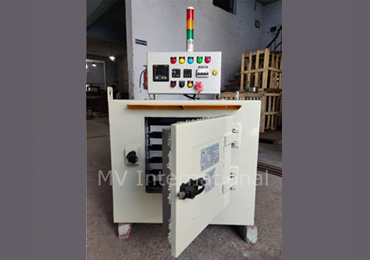
Silica gel absorbs moisture until it is saturated, but it does not have to be thrown away, it can be dried and reused. A silica gel drying oven regenerates the desiccant by driving off the absorbed moisture at a controlled temperature, restoring its capacity.
How Regeneration Works
Saturated silica gel holds water in its pores. Heating it to the right temperature drives that water off as vapour, which is then carried out of the chamber. The gel emerges dry and ready to absorb again, provided the temperature was high enough to release the moisture but not so high as to damage the gel.
Controlled Heat and Airflow
Even heat ensures the whole batch of gel regenerates together, while airflow and extraction remove the released moisture so it does not simply re-adsorb on cooling. This is the same heat-plus-extraction logic used across drying work, applied to a granular load.
- Even heat to regenerate the whole batch
- Airflow and extraction to remove released moisture
- Controlled temperature to protect the gel
- Trays or containers suited to granular loads
Where It Is Used
Regeneration serves packaging, electronics, instrumentation and any operation that uses desiccant to control humidity. It fits within the broader family of drying ovens, and larger material-drying needs are met by an industrial oven configured for the load.
Why Regenerate
Reusing silica gel saves cost and waste compared with continual replacement, and in-house regeneration means desiccant is always ready when needed. A controlled oven cycle makes that reuse reliable rather than hit-and-miss.
In Short
A silica gel drying oven regenerates saturated desiccant with controlled heat and extraction, restoring its moisture capacity for reuse. It turns a consumable into a reusable resource, using the same drying principles as any drying oven.