


Electric Industrial Ovens: How They Work and Their Benefits
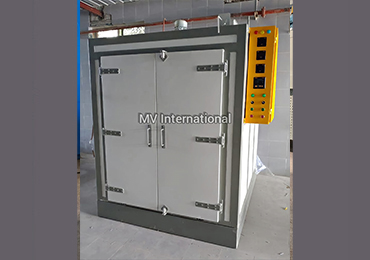
Electric Industrial Ovens: How They Work and Their Benefits
Electric heating gives an industrial oven clean, precise, easily controlled heat, which is why it is so widely used. An electric industrial oven delivers the same even, repeatable processing as any industrial oven, with the particular advantages that electric elements bring.
How Electric Heating Works
Electric elements convert power directly into heat inside the chamber, and a fan circulates that heat evenly through the load. There is no combustion, so there are no flue gases in the chamber, which keeps the process clean and makes temperature easy to regulate closely.
Precision and Cleanliness
Electric heating responds quickly to the controller and holds a set point tightly, which suits processes that need accurate, repeatable temperatures. The absence of combustion products also makes it well suited to work where cleanliness matters, such as coatings and electrical components.
- Direct electric heat with no combustion products
- Fast response and tight temperature control
- Clean processing for sensitive work
- Even forced-air circulation across the load
Where It Fits
Electric ovens suit curing, drying, baking and heat treatment where precision or cleanliness is a priority. They cover the same ground as a batch oven or a heating oven, with electric heating chosen for its control and clean operation.
When Electric Is the Right Choice
Electric heating is ideal where accurate control, clean conditions or moderate throughput matter, and where power is the practical energy source. For very high throughput or large chambers, gas-fired heating may be considered instead, so the decision follows the process and utilities.
In Short
An electric industrial oven provides clean, precise, well-controlled heat for curing, drying, baking and heat treatment. Its control and cleanliness are its strengths, delivered on the proven foundations of the industrial oven.