


Drum Warming Ovens: How They Keep Material Flowing
Drum Warming Ovens: How They Keep Material Flowing
When resins, oils and other fluids sit in storage they thicken and stop pouring cleanly, and a drum warming oven brings them gently back to a workable state. The idea is close to a drum heating oven, warm the drum evenly from all sides so the contents flow again without damage.
Gentle Is the Point
Warming, as distinct from aggressive heating, means bringing material just to the temperature where it flows freely. Even, all-round heat and steady control do this without scorching the material against the drum wall or degrading temperature-sensitive contents.
How the Warming Works
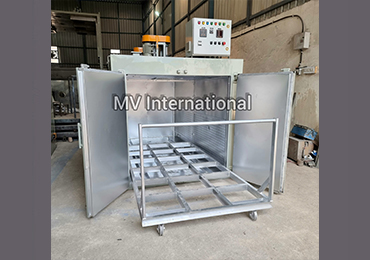
The drum sits in an insulated chamber where circulated warm air surrounds it. Heat enters from every side, so the contents warm uniformly from the outside in. Controlled airflow keeps the surface layer from overheating while the core catches up.
- All-round warm-air circulation for even results
- Gentle temperatures that protect the contents
- Steady control to hold the material at working point
- Cradles or racks matched to your drums
Where It Helps
Drum warming suits coatings, adhesives, lubricants and food-grade fluids that only need to be made pourable, not hot. For heavier reconditioning or higher temperatures, a full drum heating oven is the better fit, and flammable contents require a flameproof drum heating oven.
Why Bother
Trying to warm a drum on an open source is uneven and risky, and cold, thick material wastes time and product at the point of use. A dedicated warming oven keeps stored fluids ready to dispense, protecting both throughput and material value.
In Short
A drum warming oven applies gentle, even heat so stored viscous material stays pourable and ready to use. It is the light-duty cousin of the drum heating oven, built around the same even-heat idea shared across industrial ovens.