


Burn Off Ovens: How Thermal Cleaning Works
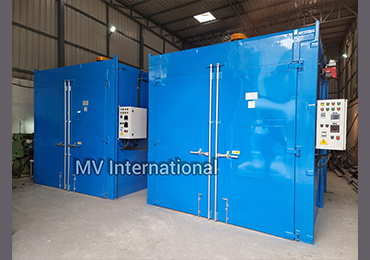
Burn Off Ovens: How Thermal Cleaning Works
When paint, powder or process residue has to come off metal parts, heat can do the job without chemicals, and that is the role of a burn off oven. It uses controlled high heat to decompose organic coatings, leaving clean metal ready for refinishing or reuse.
How Thermal Cleaning Works
Organic coatings like paint and powder break down at high temperature, turning to ash and gas. A burn off oven holds parts at a controlled temperature that decomposes these coatings while a secondary system manages the fumes, so the metal underneath is left clean and undamaged.
Controlled Heat and Safety
Because the process runs hot and releases gases, control and safety features are central, an afterburner or fume-handling system, temperature limits, and often a water quench or suppression provision. Done properly, thermal cleaning is efficient and repeatable.
- Controlled high-temperature decomposition of coatings
- Fume handling to manage combustion gases
- Safety controls and temperature limiting
- Capacity for hooks, racks or fixtures of parts
Where It Is Used
Burn off ovens serve paint-line hook and fixture cleaning, powder-coating maintenance, and motor and pump refurbishment. The clean-metal result complements downstream steps such as recoating or, in motor work, the electric motor drying and rewind chain.
Why Choose Thermal Cleaning
Chemical stripping is slow, messy and generates hazardous waste. Thermal cleaning removes coatings quickly with heat alone and minimal residue, which is why it is favoured for high-throughput cleaning of hooks, fixtures and metal components.
In Short
A burn off oven uses controlled high heat, with proper fume handling, to strip paint and coatings from metal parts, leaving them clean and reusable. It is thermal cleaning done safely, drawing on the same industrial oven engineering.